




Non-Lethal Gun vs Taser: Key Differences Explained
When evaluating non-lethal self-defense tools, one of the most common comparisons is between a non-lethal gun and a taser. Both are designed to help stop a threat without using deadly force, but they operate in very different ways.
A taser relies on electrical disruption at close range, while a non-lethal launcher uses projectile-based deterrence from a distance.
Understanding how each performs can help you choose the right tool for your safety needs.
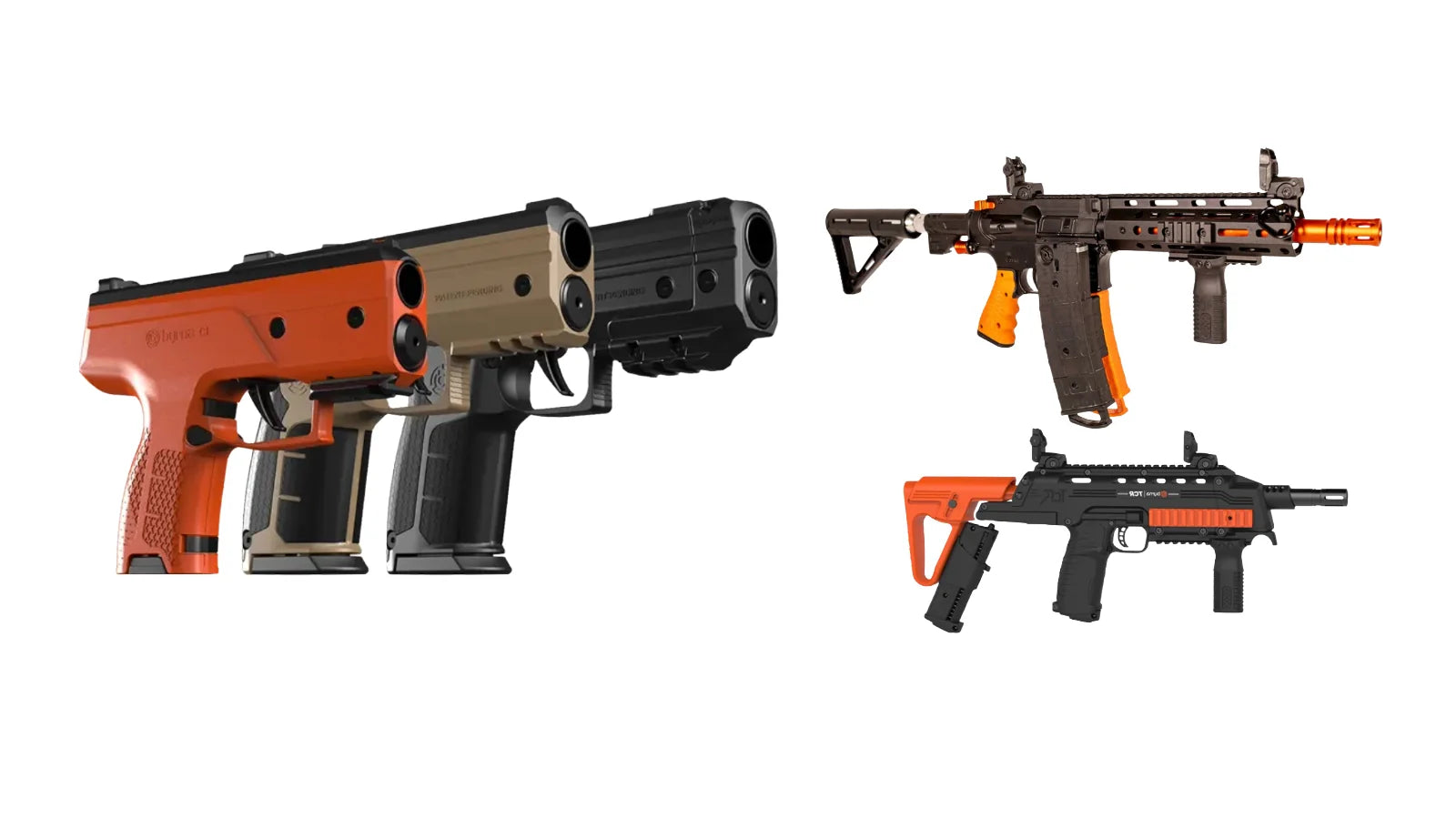
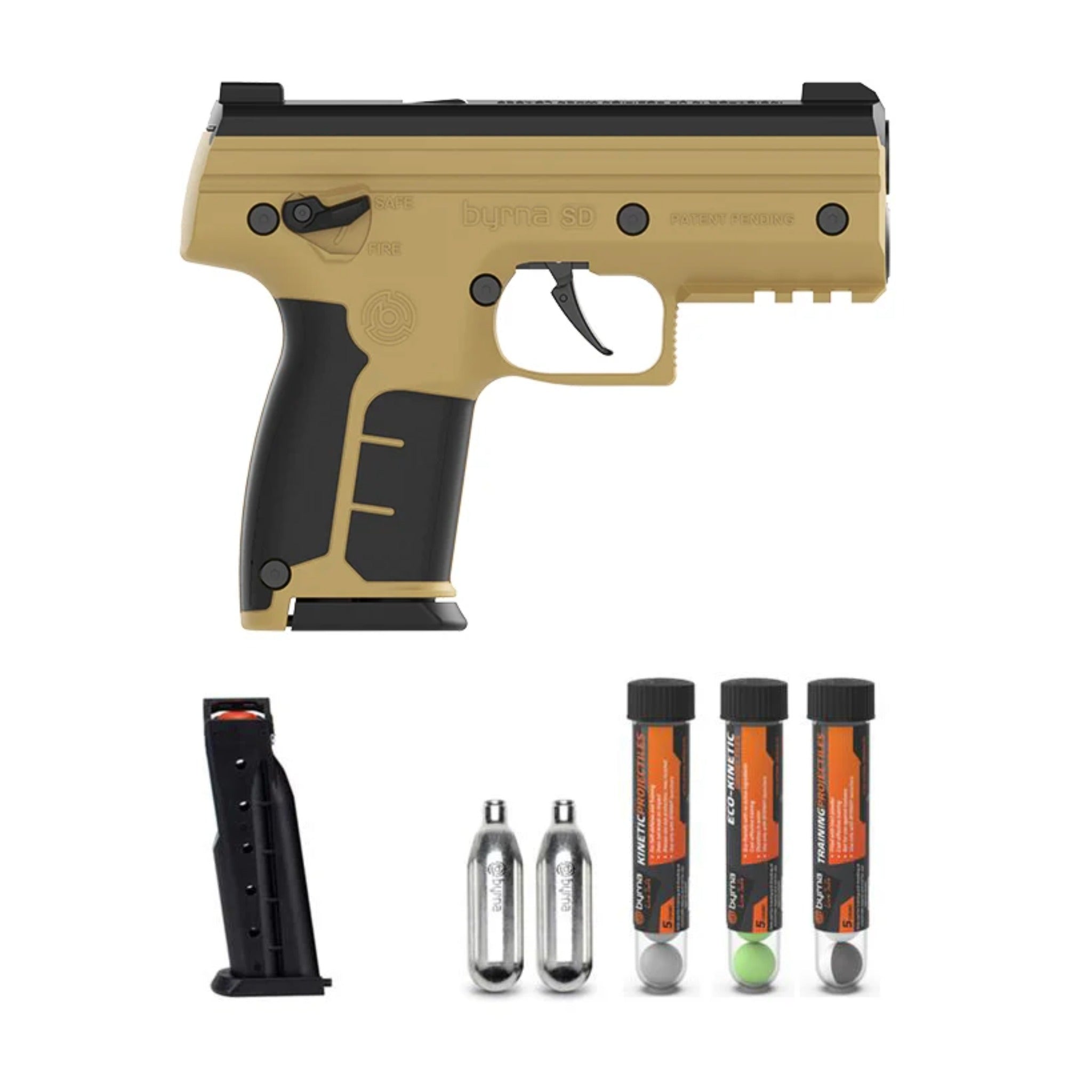
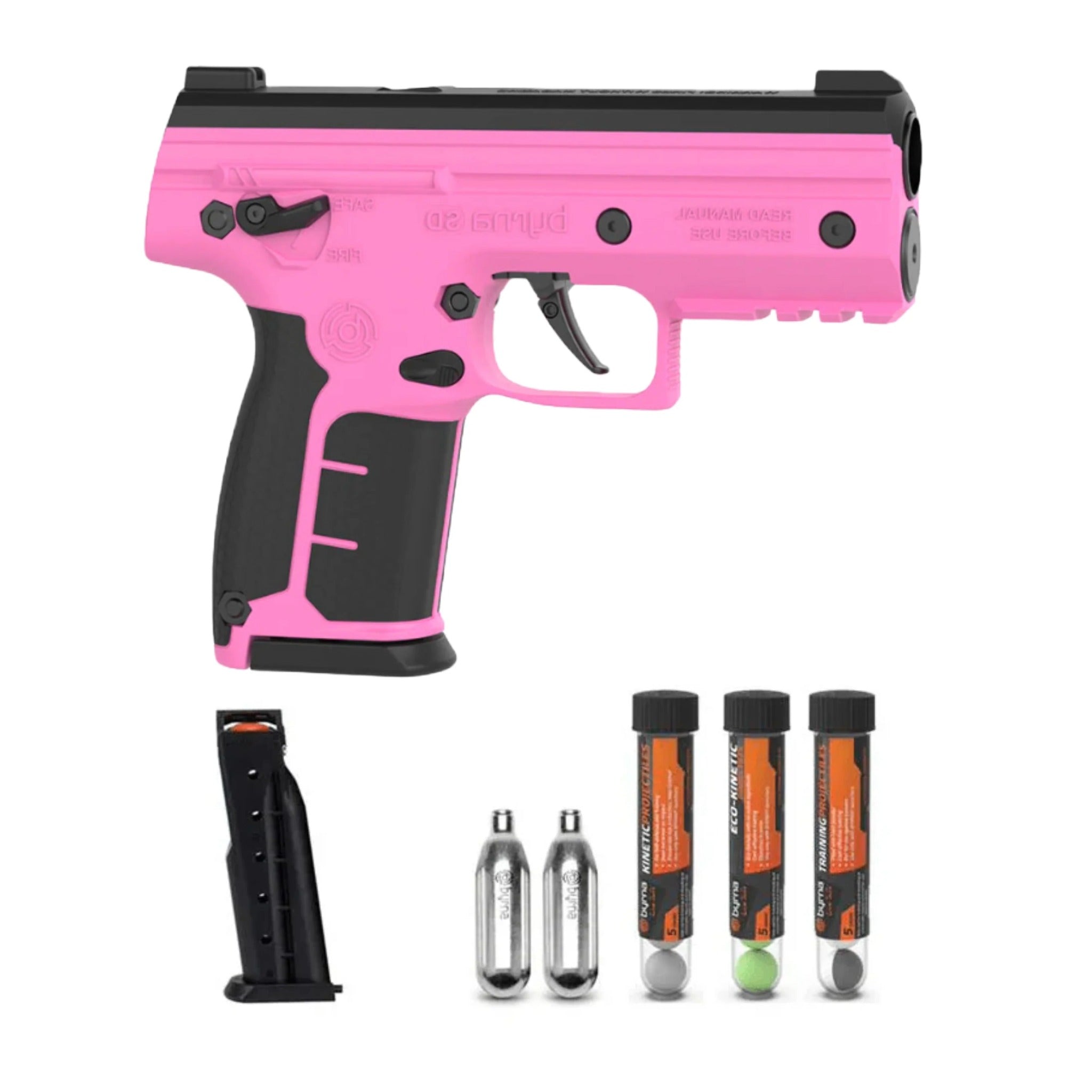
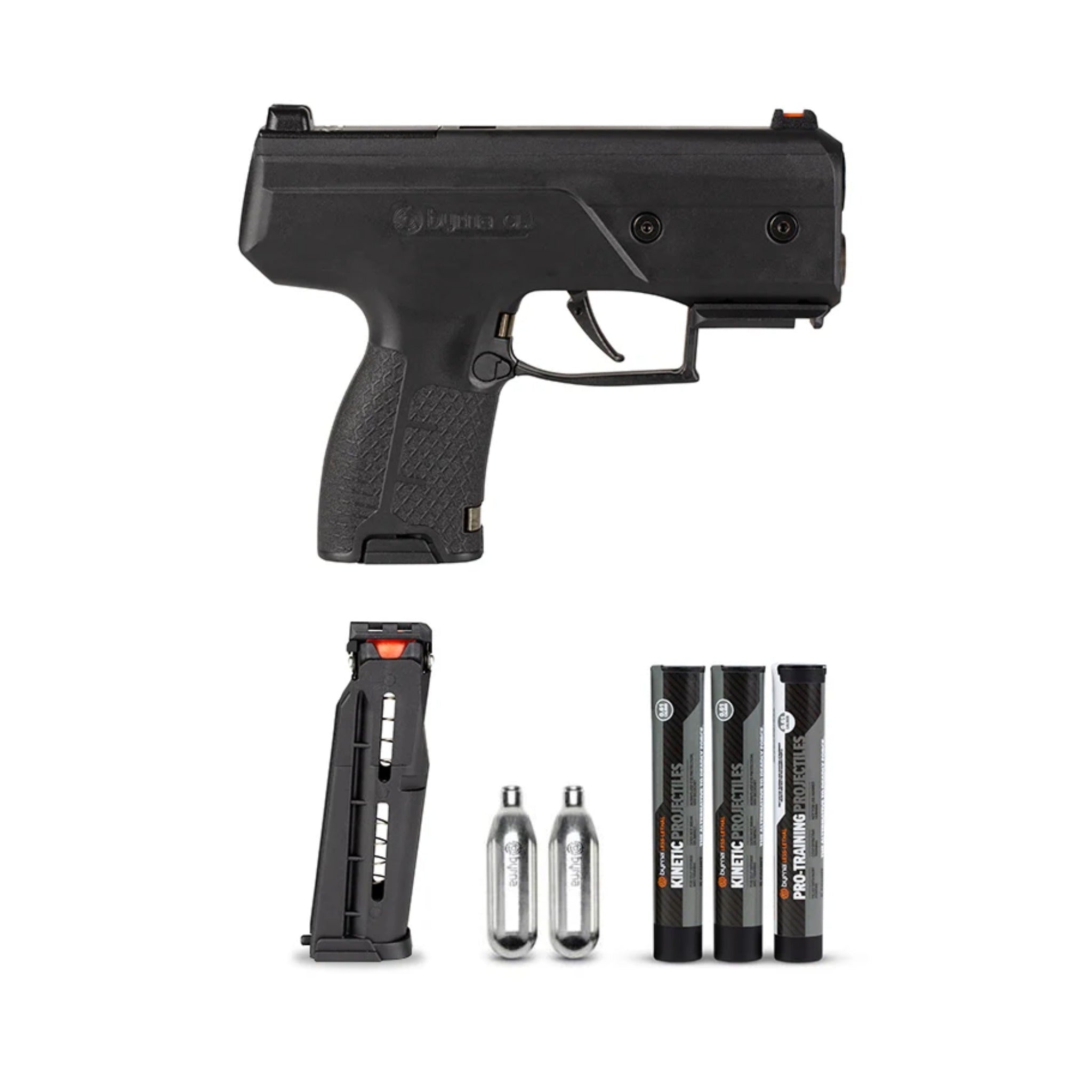
You can explore less-lethal launcher options here:
👉 https://ungunn.com/collections/byrna-launchers
How Non-Lethal Guns Work
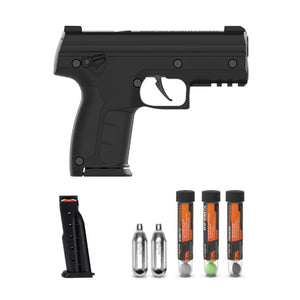
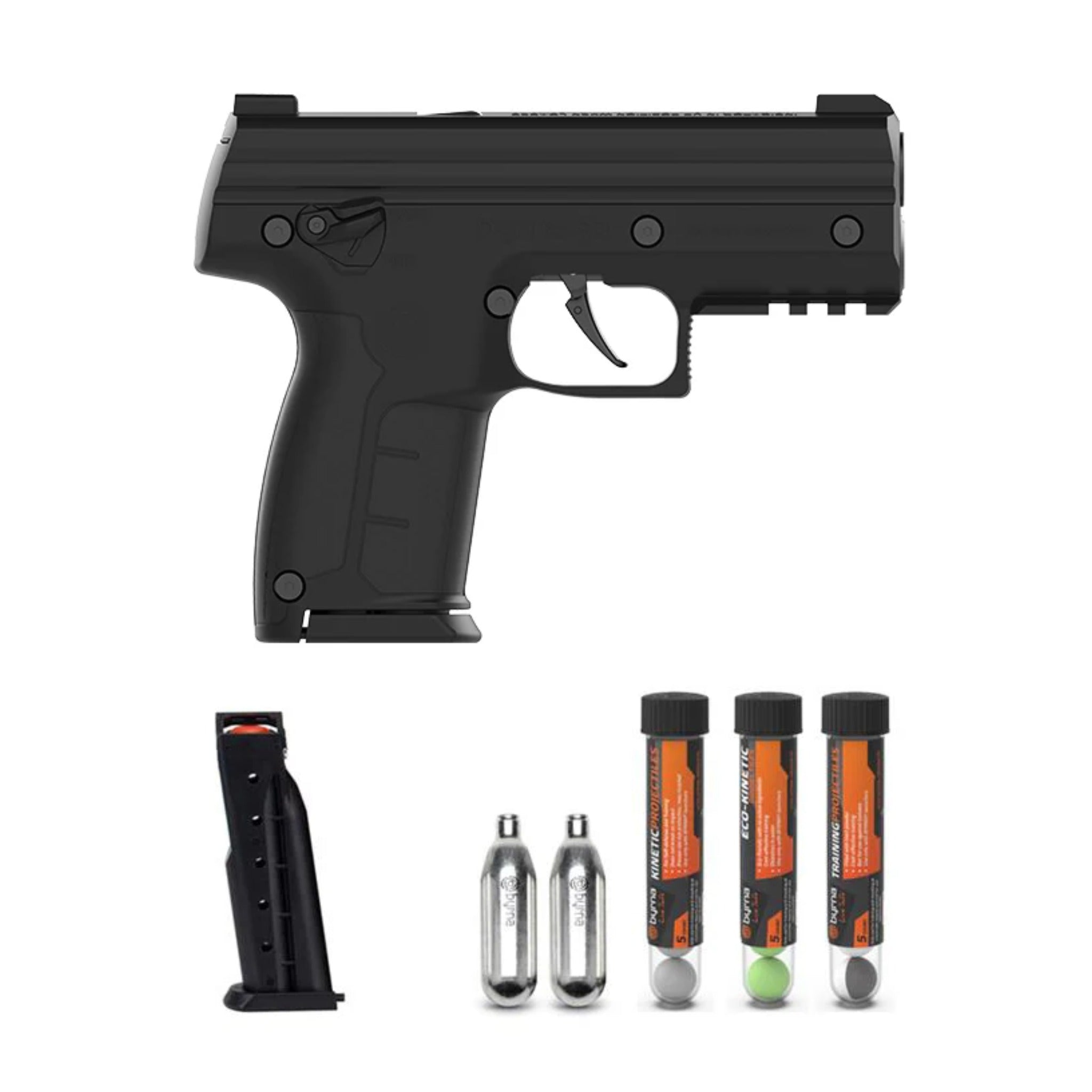
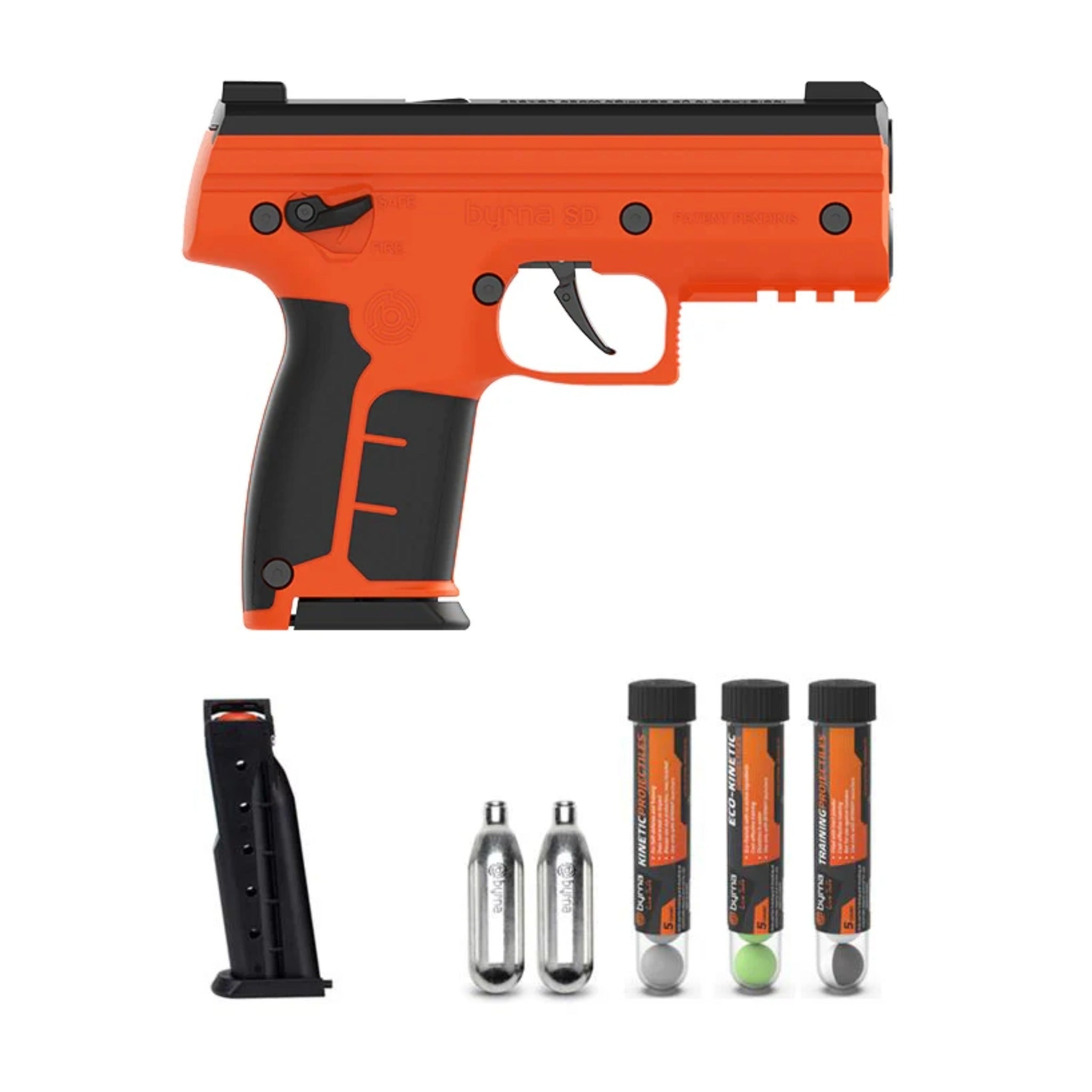
Non-lethal guns use compressed CO₂ propulsion to launch projectiles toward a threat.
These projectiles can:
• create physical impact
• release irritant upon contact
• disrupt movement and focus
• create space between you and the attacker
This allows the user to engage a threat from a safer distance, which is a major advantage in defensive situations.
How Tasers Work
Tasers function by delivering an electrical charge that interferes with muscle control.
They typically require:
• direct contact with the attacker
OR
• very short-range probe deployment
Because of this, tasers are generally used in close proximity scenarios, which may limit reaction time.
Range Comparison
Distance plays a critical role in self-defense.
| Device | Effective Range |
|---|---|
| Taser | Contact or a few feet |
| Non-Lethal Gun | Up to 60 feet |
A longer range allows for earlier threat response and improved safety positioning.
Stopping Effectiveness
Each tool stops threats in a different way.
Non-Lethal Gun
• impact + irritant combination
• multiple shots available
• strong deterrent presence
Taser
• electrical disruption
• immediate but short-range effect
• often single-use per deployment
Non-lethal launchers provide a layered defensive approach, while tasers rely on precise execution at close range.
Ease of Use in High-Stress Situations
In real-world scenarios, ease of use can make a significant difference.
Non-lethal guns offer:
• ability to engage from distance
• multiple attempts if needed
• less dependency on perfect aim
Tasers require:
• close proximity
• accurate contact or probe placement
• limited margin for error
Safety and Risk Considerations
Both tools are designed as alternatives to lethal force, but they involve different types of risk.
• tasers use electrical shock
• non-lethal guns rely on kinetic and irritant effects
Many users prefer distance-based tools because they reduce direct physical interaction during a threat.
Which Option Is Better for Home Defense?
For home defense planning, non-lethal guns often provide advantages such as:
• engagement before physical contact
• coverage of entry points
• multi-shot readiness
You can also explore full home defense setups here:
👉 https://ungunn.com/collections/home-defense-by-byrna
Final Verdict
Both tasers and non-lethal guns serve a role in self-defense. However, the ability to maintain distance, deliver multiple shots, and create layered deterrence makes non-lethal launchers a strong choice for many users.
Choosing the right option depends on your environment, comfort level, and how you prefer to respond in a defensive situation.